
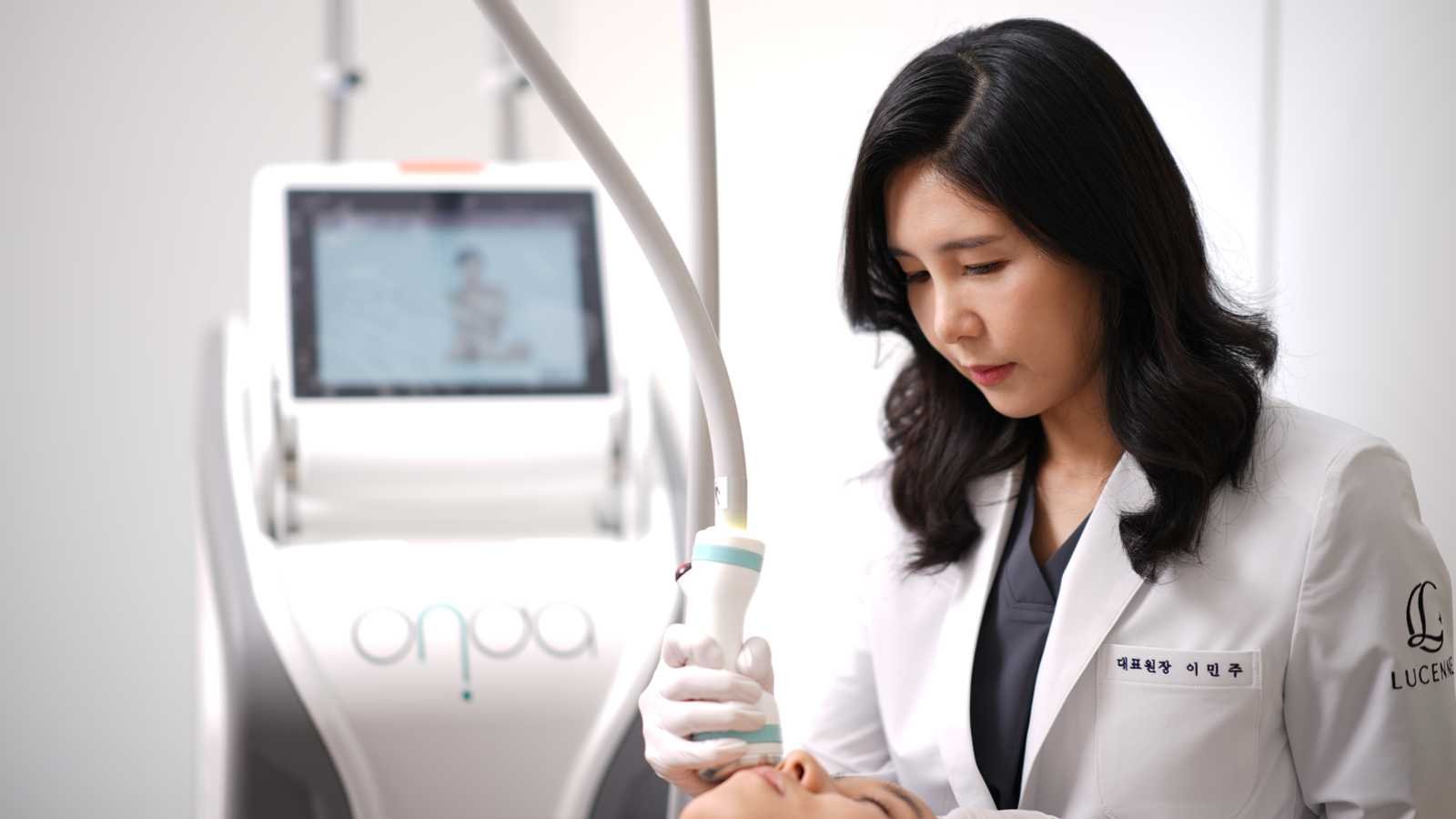
Gangnam Doctor-Led Clinic: A Personalized Approach
Choosing a dermatology clinic involves more than comparing treatment names. A useful first step is understanding how the clinic evaluates skin concerns and turns them into a plan. At Lucenne clinic, personal customization is central to treatment planning, with options for skin and body care considered after a thorough consultation. The clinic’s approach emphasizes subtle refinement rather than over-treatment, within a private, premium space. This gives patients a setting to discuss their goals and consider which options may suit their individual skin condition.
Start with your skin goals
A clear consultation begins with the concern that matters most to you, whether it is skin laxity, fine lines, pores, scars, redness, or hydration. Sharing your priorities helps frame the discussion around relevant options rather than choosing a device simply because it is familiar. The plan should reflect your skin condition and intended outcome, not a one-size-fits-all menu. At Lucenne clinic, treatment combinations are tailored after consultation, with skin elasticity, volume, and contour among the factors considered for lifting plans.
Before discussing a procedure, consider what you want to address and how noticeable you would like any change to be. It can also be helpful to explain previous treatments, current skin-care habits, and any sensitivities or concerns you want the medical staff to consider. These details give the consultation a practical starting point. A personalized plan is a process of matching concerns with relevant options, rather than assuming every available treatment is appropriate for every person. The clinic’s stated philosophy focuses on each person’s natural appearance and a measured approach to refinement. Ask how a proposed treatment relates to your concern, what it is designed to do, and whether additional steps are being considered. That conversation can help you understand the reasoning behind a plan before deciding whether to proceed.
Personalized care starts with a specific concern and a careful discussion of what may address it. A treatment name alone does not determine suitability; skin condition and individual goals should guide the plan.
Why consultation matters
A thorough consultation helps connect treatment choices to the features being assessed. For lifting combinations, Lucenne clinic considers skin elasticity, volume, and contour. The clinic also offers EVE MUSE 3D AI skin analysis, which uses imaging technology to assess overall skin condition and inform tailored cosmetic planning. Analysis tools can support a conversation, but the plan should still be explained in terms you understand. Ask what the findings mean for your priorities and what options are being considered.
Consultation is also the time to clarify what a treatment is intended to address and how it fits into your broader plan. For example, ultrasound-based options target different depths, while radiofrequency devices deliver energy into the skin in distinct ways. The device descriptions can help organize the discussion, but they are not a substitute for an individual assessment. You can ask why a particular option is relevant to your concern, whether the plan includes one treatment or a combination, and what aftercare is recommended. If any part of the explanation is unclear, ask for it to be restated in plain language. A well-understood plan makes it easier to make an informed choice and to set realistic expectations about how changes may develop.
A private setting and considered care
Lucenne clinic describes its environment as a private, premium space and its care philosophy as focused on each person’s unique, natural beauty. The aim is to consider tailored solutions that refine rather than over-treat. This approach places individual preference alongside the clinical discussion. A comfortable setting can make it easier to ask questions, explain concerns, and review options without feeling rushed.
The clinic’s stated identity centers on sincere care and a natural expression of personal beauty. In practical terms, that means discussing what you hope to change while also considering what you want to preserve. You can explain whether you prefer subtle refinement, which areas concern you most, and how much treatment you are comfortable considering. The medical staff can then discuss relevant options in relation to your skin and body concerns. No single device or combination needs to be treated as a default choice. Clear communication about your preferences is part of making a plan personal. Take time to understand the proposed approach and raise questions before moving forward.
When comparing clinics, look for a process that gives room for questions and explains how recommendations relate to your goals. At Lucenne clinic, personalization, a private environment, and technology-supported assessment are part of the stated approach. These features can help structure a consultation, while the final plan should be based on your individual assessment. Be direct about your priorities and ask the medical staff to explain the purpose of each recommended option. A thoughtful discussion is a practical foundation for deciding whether a treatment suits you.
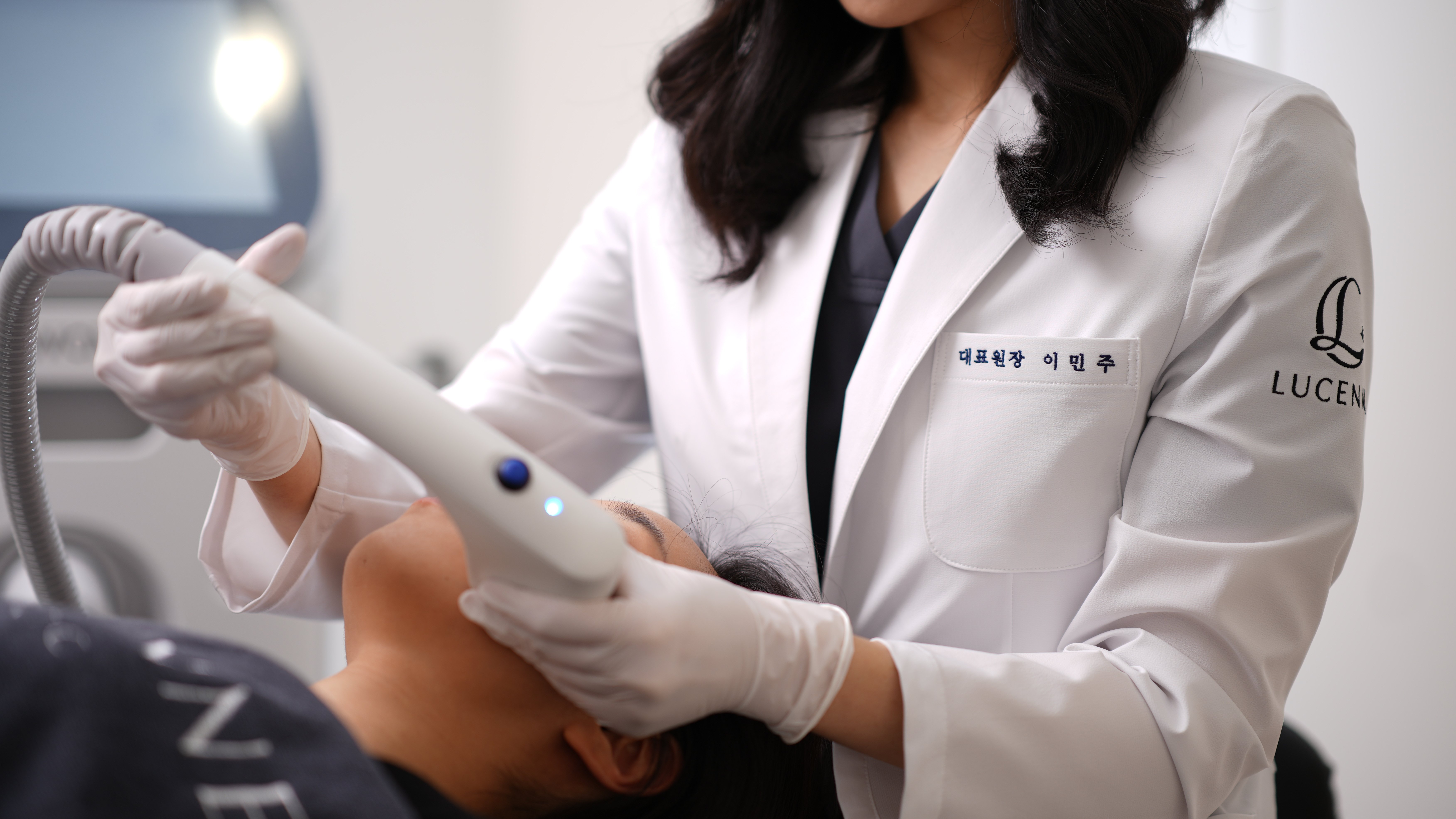
Gangnam Doctor-Led Clinic: Treatment Technology and Options
Technology can give a clinic different ways to address skin concerns, but devices are not interchangeable. Lucenne clinic offers energy-based and injectable treatments, as well as technologies for skin analysis and supportive care. Options described by the clinic include ultrasound, radiofrequency, microwave energy, microneedling radiofrequency, and skin booster injection. The relevant choice depends on the concern, the skin area, and the treatment plan developed during consultation. Understanding each option’s stated purpose helps make the discussion more concrete.
Ultrasound and energy-based lifting
The clinic’s lifting options include Ultherapy Prime, Sofwave, XERF, Onda, and Thermage FLX. Their stated features differ: Ultherapy Prime uses visualized ultrasound for focused energy delivery to the SMAS layer; Sofwave targets the mid-dermis; and XERF combines two radiofrequency frequencies to address three skin depths. Onda uses microwave energy, while Thermage FLX uses radiofrequency. These descriptions explain the technologies, not a guarantee of a particular result.
Lucenne clinic describes customized lifting combinations as being tailored to skin elasticity, volume, and contour after a thorough consultation. That distinction matters because a device’s mechanism does not, by itself, determine whether it is suitable for a particular person. Ultherapy Prime is described as high-intensity focused ultrasound directed to the SMAS layer, while Sofwave focuses ultrasound energy on the mid-dermis to support collagen and elastin. XERF combines 6.78 MHz and 2 MHz radiofrequency and targets three depths. Onda uses microwave energy, and Thermage FLX applies radiofrequency in the dermis. Ask the medical staff to clarify which feature relates to your concern and why a treatment or combination is being considered. Your skin condition and goals remain central to the decision.
Different energy-based devices work through distinct technologies and target different depths or concerns. A consultation should explain why an option fits your individual assessment rather than relying on the device name alone.
Skin texture, pores, and hydration
For concerns involving pores, scars, redness, fine lines, or hydration, the clinic lists additional technologies. Potenza uses microneedling radiofrequency and customized tips, with stated uses that include pore and scar care and collagen regeneration. Double Tite combines radiofrequency with a skin booster injection. LDM uses dual ultrasound for hydration and skin-barrier support. These options have different purposes, so discuss the concern each one is intended to address.
Potenza is described as stimulating collagen production to improve pores, scars, and redness while protecting the skin surface. Double Tite combines radiofrequency energy and a skin booster injection, with a focus on inner hydration and dermal regeneration. LDM uses high-density ultrasound and is described as supporting deep hydration, skin-barrier repair, and calming irritation. These descriptions may help you identify which questions to bring to a consultation, but they do not determine an individual treatment plan. Ask whether the technology is being considered for texture, hydration, or another specific concern, and how the medical staff will assess whether it is appropriate. It is also reasonable to ask about preparation and aftercare for the option under discussion. A clear explanation should connect the proposed technology to your goals and skin condition.
Assessment and supportive technologies
Technology at the clinic also includes assessment and supportive-care tools. EVE MUSE uses 3D AI technology to analyze overall skin condition and support tailored cosmetic planning. Handheld ultrasound provides real-time imaging of underlying anatomy to support treatment precision. Cryocell uses cooling technology and microcurrents for soothing care, while Sonicool combines multiple functions for cleansing and ingredient absorption. Ask how each tool fits into your specific visit.
The clinic also lists Biolight 3, a four-wavelength LED system described for acne care, skin healing, and soothing. Cryocell is described as helping soothe thermal heat and reduce redness and swelling, while Sonicool integrates heating, cooling, and other functions for skin care. An autoclave is used for high-temperature steam sterilization as part of hygiene and cross-infection prevention. These technologies serve different roles: some support assessment, some are treatment options, and others are part of skin care or equipment hygiene. During consultation, ask which tools are relevant to your plan and which are simply part of the clinic’s wider facilities. This helps distinguish a treatment recommendation from equipment available in the clinic.
Device availability does not mean every device should be used in one treatment plan. A useful consultation identifies the concern, explains the role of any recommended technology, and considers how the options relate to your skin condition. If more than one procedure is discussed, ask what each contributes and whether the combination is necessary for your goals. Focus on the reasoning behind the plan, not the number of technologies involved. This keeps the decision centered on your needs.

Gangnam Doctor-Led Clinic: Planning Your Visit
A productive visit involves both a clear discussion of your goals and practical preparation. At Lucenne clinic, treatment planning is based on consultation, and the clinic offers dermatology care for skin and body concerns using customized energy and injectable treatments. Knowing the clinic’s hours, location, and contact details can help you plan a visit. Before booking, note the main concern you want to discuss and prepare any questions about the options being considered. Use the consultation to understand the plan before deciding on treatment.
What to discuss before treatment
Begin by describing your main concern in specific terms, such as skin laxity, fine lines, texture, pores, scars, redness, or hydration. Tell the medical staff what outcome feels appropriate to you and whether you prefer subtle refinement. It is useful to mention prior treatments, current skin-care products, and sensitivities that may affect the discussion. These details help make the consultation relevant to your situation. You can also ask what the recommended treatment is designed to address.
Before agreeing to a procedure, make sure you understand its purpose and the reason it has been suggested. Ask how the medical staff considered your skin elasticity, volume, contour, or other concerns when developing the plan. If a device or combination is proposed, ask what role each part serves and whether there are alternatives within the clinic’s treatment options. You may also ask what preparation is appropriate and what care is recommended afterward. No general description can replace an individual consultation, and changes may take time depending on individual condition. Avoid judging a treatment only by a device’s advertised features. A useful decision is one made with a clear understanding of the proposed approach and its intended role.
A visit is most useful when you arrive with a clear priority and leave understanding the proposed plan. Ask how each recommendation relates to your skin, what preparation is needed, and what to expect from the treatment process.
Clinic hours and location
Lucenne clinic is located on the fifth floor of Dongyang Building at 105 Bongeunsa-ro, Gangnam-gu, Seoul, Republic of Korea. Clinic hours are Monday, Tuesday, Thursday, and Friday from 10:00 a.m. to 8:00 p.m.; Wednesday from 2:00 p.m. to 8:00 p.m.; and Saturday from 10:00 a.m. to 3:00 p.m. The listed lunch break is from 1:00 p.m. to 2:00 p.m. Plan your visit around the stated hours and lunch break.
For an appointment or consultation, contact Lucenne clinic at +82-2-6952-3663. When arranging a visit, you can explain the concern you want to discuss and ask what to prepare for the consultation. If you are considering a particular treatment, mention it as a point for discussion rather than assuming it will be recommended. The address is 5F, Dongyang Building, 105 Bongeunsa-ro, Gangnam-gu, Seoul, Republic of Korea. Confirming your appointment details directly can help you plan your arrival and allow the clinic to direct your questions to the appropriate consultation process.
Making an informed choice
When choosing a clinic, consider whether the consultation gives you a clear explanation of the available options and their intended purposes. Lucenne clinic describes its approach as personalized, private, and focused on natural-looking refinement. Its technology includes assessment tools and devices for lifting, texture, hydration, and supportive care. Use these details as a starting point for a conversation about your own goals. The right plan should make sense to you, not simply sound comprehensive.
A considered decision does not require selecting the most complex plan. It means understanding what is being proposed, how it relates to your concern, and what questions remain before treatment. You can ask the medical staff to summarize the recommendation and explain how the options differ. If you are unsure, take time to review the information and discuss your priorities again. Personalization is most meaningful when you understand and agree with the plan. This approach supports a more informed conversation about dermatology care at Lucenne clinic.
Lucenne clinic combines personalized consultation with a range of technologies and a private treatment environment. For a first visit, prepare a concise description of your concern, your preferences, and any relevant skin-care history. Ask what each recommended option is intended to address and how it fits your individual assessment. The clinic’s stated philosophy favors natural expression and subtle refinement rather than over-treatment. Keeping the discussion focused on your goals can help you decide whether the proposed care aligns with what you are seeking.




Frequently Asked Questions
Q.What kind of clinic is Lucenne clinic?
A.Lucenne clinic is a dermatology clinic in Gangnam offering personalized skin and body treatments. Its stated approach includes a private setting, consultation-based planning, and technology-supported care.
Q.Who may consider consulting Lucenne clinic?
A.People seeking advice about concerns such as skin laxity, fine lines, pores, scars, redness, or hydration can discuss their goals with the medical staff. The appropriate options depend on individual skin condition and consultation.
Q.What treatments and technologies does Lucenne clinic offer?
A.The clinic lists ultrasound, radiofrequency, microwave, microneedling radiofrequency, and skin booster treatments, along with skin analysis and supportive-care technologies. Treatment choices are considered after consultation.
Q.What should I prepare before a visit?
A.Note your main skin concern, your preferred degree of change, previous treatments, and any sensitivities you want to discuss. The clinic’s hours include a lunch break from 1:00 p.m. to 2:00 p.m.
Q.Where is Lucenne clinic, and how can I book?
A.Lucenne clinic is at 5F, Dongyang Building, 105 Bongeunsa-ro, Gangnam-gu, Seoul, Republic of Korea. For contact and reservations, call +82-2-6952-3663.
Clinic Information
| Clinic | Lucenne clinic |
|---|---|
| Specialty | Dermatology |
| Address | 5F, Dongyang Building, 105 Bongeunsa-ro, Gangnam-gu, Seoul, Republic of Korea |
| Phone | +82-2-6952-3663 |
| Website | https://en.lucenne.co.kr/ |
 Lucenne clinic