
How Traditional and Gangnam Painless Skin Treatment Methods Compare
Skin treatments differ in how they reach tissue, the concerns they address, and the sensations patients may experience. Some rely on needles or threads; others use ultrasound, radiofrequency, or microwave energy. Lucenne clinic offers both energy-based and injectable options, allowing treatment discussions to begin with the concern rather than a preferred device. The word “painless” should not be taken as a guarantee: comfort varies by procedure, treatment area, settings, and individual sensitivity.
Comparing needles and energy-based devices
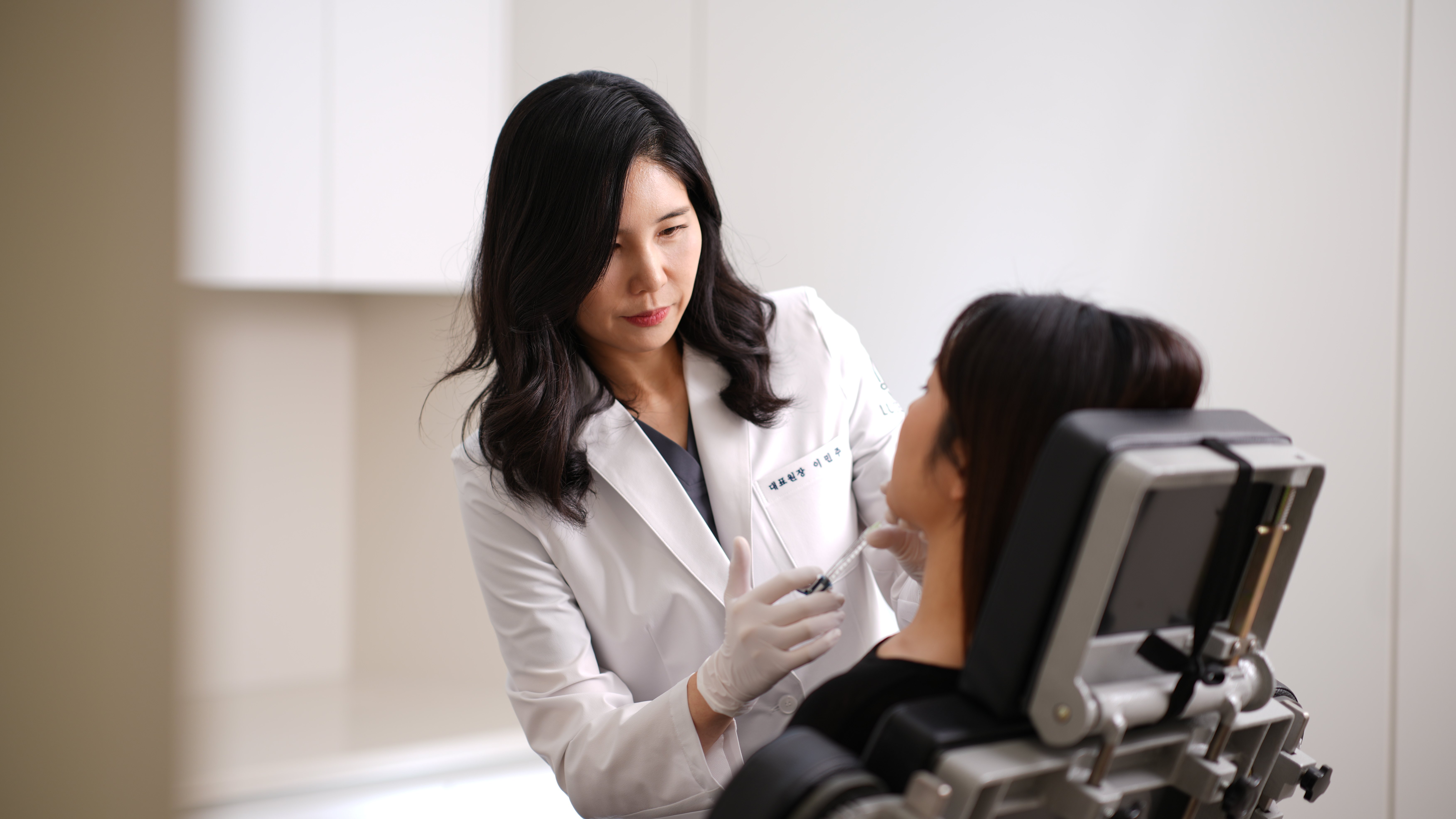
Injectable treatments use a needle to place a substance into the skin or underlying tissue. At Lucenne clinic, these options include skin boosters, collagen boosters, Botox, and full-face filler. Thread lifting is another procedure that involves placing material beneath the skin. Each has a distinct purpose, so an injectable used to address volume is not directly interchangeable with an energy-based treatment intended to address skin firmness.
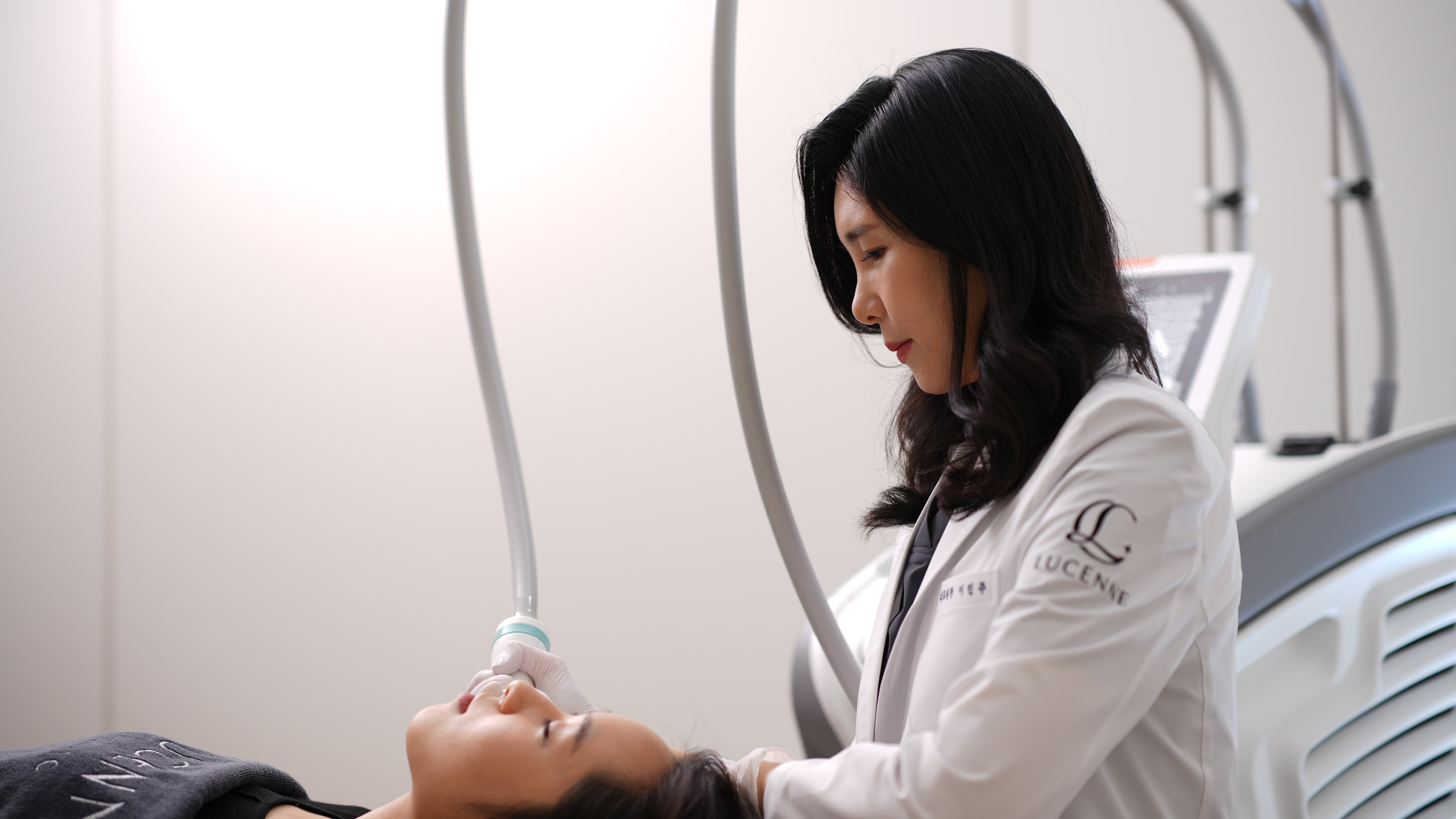
Energy-based treatments work differently. Ultrasound, radiofrequency, and microwave devices deliver energy to targeted tissue without necessarily relying on an injection. For example, Sofwave uses focused ultrasound, while Thermage FLX uses radiofrequency. Potenza combines microneedling with radiofrequency, making it a useful reminder that treatment categories can overlap. The choice depends on whether the main concern is texture, fine lines, elasticity, volume, or contour. During a consultation, ask the medical staff which tissue the proposed treatment targets and why that approach suits your concern. A clear comparison should also cover the sensations involved, the possibility of temporary skin reactions, and when changes might become noticeable.
Comparing treatments starts with the concern you want to address, not with a promise of no discomfort. Needles, threads, and energy-based devices work in different ways, so the right questions are what each option targets and what it involves.
What comfort means in practice
Comfort is personal. A treatment described as gentle may still cause heat, pressure, tingling, or brief discomfort for some people. Injectable and microneedling procedures can also involve sensations associated with needle entry. Onda uses microwave energy and is presented as an option with minimal discomfort, but individual experiences can differ. Discuss your sensitivity and any previous reactions with the medical staff before selecting a procedure.
It is also helpful to distinguish comfort during treatment from recovery afterward. A procedure that feels manageable in the clinic can still be followed by temporary redness, swelling, or tenderness. Conversely, the absence of visible marks immediately afterward does not tell you whether a treatment is suited to your skin. Ask what sensations are common, whether comfort measures are appropriate, and what care is recommended afterward. If you have an important event coming up, share the date so that timing can be considered. No treatment should be assumed to be completely sensation-free or free of risk.
Matching the method to your goal
A consultation becomes more useful when you describe the change you are looking for in specific terms. Fine lines and skin texture call for a different discussion from facial volume or a change in contour. Lucenne clinic offers customized combinations that take skin elasticity, volume, and contour into account. The medical staff can explain whether a single method or a combination is appropriate for your circumstances.
Bring a concise list of your concerns and any questions about recovery. If you have had previous skin procedures, tell the medical staff what was done and how your skin responded. This context can help guide the discussion without assuming that a treatment that suited someone else will suit you. Ask what the procedure can reasonably address and which concerns might require a different approach.
| Approach | Examples at Lucenne clinic | How it is used |
|---|---|---|
| Focused ultrasound | Sofwave, Ultherapy Prime | Delivers ultrasound energy to targeted tissue. |
| Radiofrequency | Thermage FLX, XERF | Uses radiofrequency energy in treatments for skin tightening and fine lines. |
| Microneedling radiofrequency | Potenza | Combines microneedling and radiofrequency for concerns including pores and scars. |
| Injectable treatment | Skin booster, full-face filler | Uses injections for concerns such as skin hydration or volume. |
These categories are a starting point, not a ranking. Even treatments within the same category can differ in depth, technique, and intended use. Ask the medical staff to explain the proposed method in relation to your own skin rather than relying on a device name alone. If more than one approach is suggested, request a clear explanation of what each part contributes and whether each is necessary for your stated goal.
Gangnam Painless Skin Treatment Options at Lucenne Clinic
Lucenne clinic offers treatments using ultrasound, radiofrequency, microwave energy, injections, and threads. These methods can address different aspects of skin and body care, including firmness, fine lines, texture, and volume. The clinic also offers imaging and skin-analysis tools that can support a treatment discussion. Device selection and treatment planning should follow an assessment of your concerns and medical history. A procedure name alone cannot tell you how comfortable it will feel or what result to expect.
Ultrasound and radiofrequency treatments
Sofwave uses focused ultrasound energy in the mid-dermis and is offered for concerns such as fine lines and skin texture. Ultherapy Prime uses focused ultrasound intended to reach the deeper tissue layer known as the SMAS. These treatments use the same broad energy category but target different depths. Ask the medical staff to explain the intended target and how it relates to your concerns.
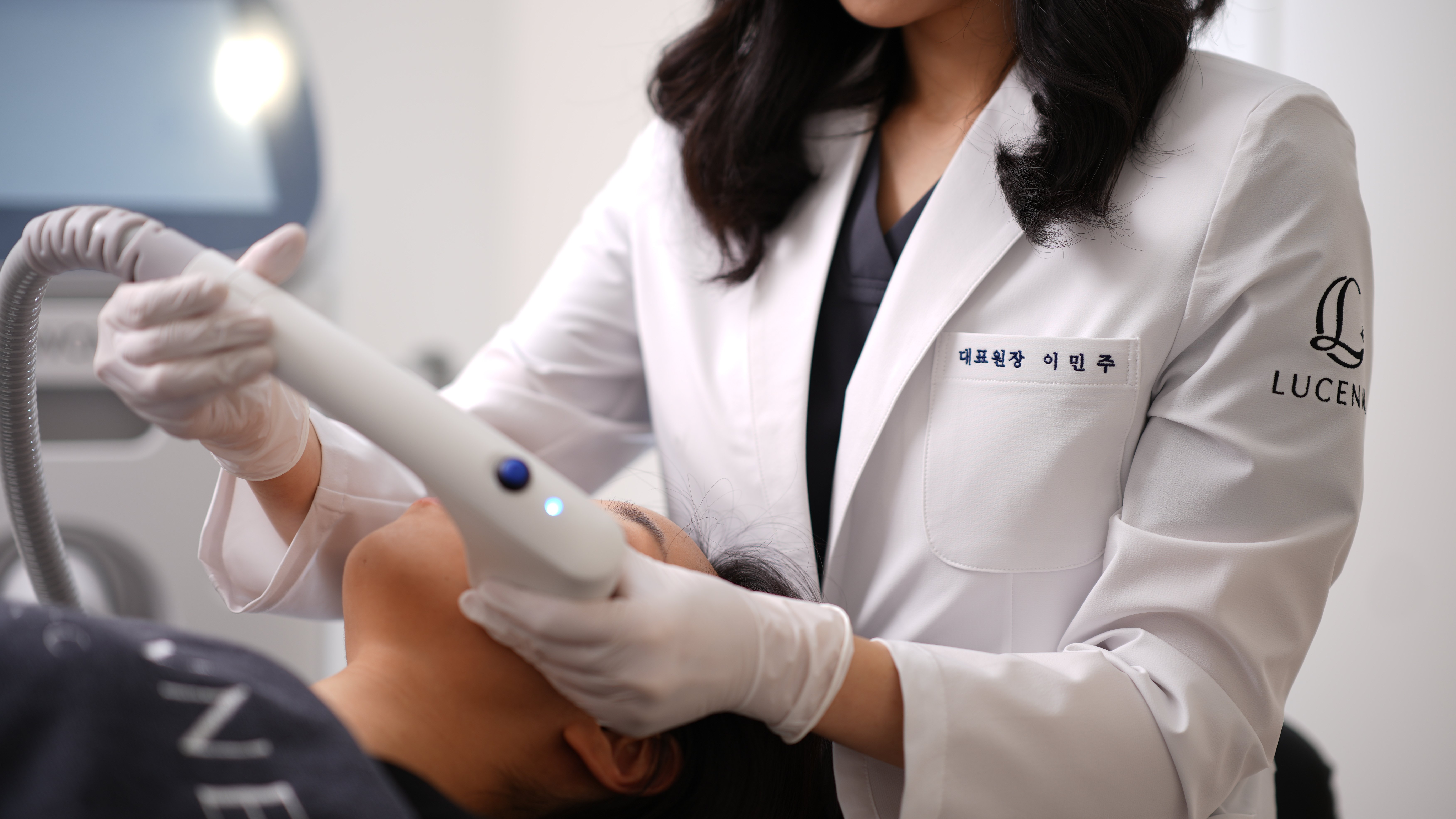
Thermage FLX uses radiofrequency energy for skin tightening and fine-line care. XERF combines radiofrequency frequencies to target different skin depths and is offered for tightening and wrinkle care. Neither method should be selected solely because it is described as non-injectable: sensations and treatment plans still differ. If you are comparing ultrasound and radiofrequency, ask which area will be treated, what you may feel, and how the proposed approach fits your skin condition. Changes may take time depending on the individual and the treatment. The medical staff can explain an appropriate timeframe during your consultation.
Ultrasound and radiofrequency are tools for delivering energy, but they do not all target the same tissue. A useful consultation explains the treatment depth, the intended goal, and what you can reasonably expect.
Microneedling, boosters, and volume treatments
Potenza combines microneedling with radiofrequency and is offered for concerns including pores, scars, and redness. Double Tite combines radiofrequency with a skin booster injection, while skin boosters and collagen boosters are also listed among the clinic’s services. These approaches differ from treatments that use energy alone because they involve needles. Discuss both the intended benefit and the expected skin response before proceeding.
For concerns about volume, Lucenne clinic offers full-face filler and body filler. Botox, body Botox, thread lifting, and Hiko Nose Lift are also among the clinic’s services. These procedures have different techniques and purposes, so a consultation should address the specific area and change you have in mind. Injectable treatments can cause bruising, swelling, or other complications; fillers in particular require a discussion of uncommon but serious risks, including blocked blood vessels. Tell the medical staff about relevant medical conditions, medicines, allergies, and prior procedures. Ask which warning signs require prompt medical attention and how to contact the clinic if you are concerned after treatment.
Assessment and supportive care
Lucenne clinic uses EVE MUSE skin analysis to assess overall skin condition. Handheld ultrasound can provide real-time images of underlying anatomy during relevant treatment planning. These tools can add information to a consultation, but they do not replace a discussion of your goals, medical history, or treatment preferences. Ask what an assessment can show and how it will influence the recommendation.
The clinic also offers LDM ultrasound, Cryocell cooling care, Sonicool, and Biolight LED care. These approaches are used for different aspects of skin care, including hydration, cooling, and soothing. Whether supportive care is appropriate depends on the treatment and your skin’s response. Ask the medical staff which steps are relevant to your plan rather than assuming that every option is needed.
If a combination is proposed, ask for the purpose of each component and the order in which treatments would be considered. A straightforward plan should connect each step to a concern you have identified. You can also ask whether a simpler approach is appropriate and what follow-up care is recommended. This makes it easier to weigh the potential benefits, comfort, and practical commitments before deciding.
Planning for Gangnam Painless Skin Treatment
Preparation is not limited to choosing a procedure. A useful plan includes an honest discussion of your health history, treatment goals, comfort preferences, and schedule. Lucenne clinic emphasizes tailored care and subtle refinement rather than over-treatment. That approach can begin with a focused conversation about what matters most to you. Before agreeing to treatment, make sure you understand the proposed method, its risks, and the expected aftercare.
What to discuss before your appointment
Describe your main concern and identify the area you want assessed. Tell the medical staff about previous procedures, skin reactions, allergies, medical conditions, and medicines you take. If you are pregnant or breastfeeding, include that information as well. These details help the attending doctor consider whether a treatment is appropriate and whether precautions are needed.
It can help to write down your questions in advance. Ask how the treatment works, what you may feel, and what changes it is intended to address. If an injectable or thread procedure is recommended, ask about the material used and the associated risks. For an energy-based treatment, ask which tissue is targeted and what skin reactions to expect. You can also discuss whether the proposed plan fits your schedule and comfort preferences. Informed consent means understanding the available options before deciding to proceed. If an explanation is unclear, ask the medical staff to describe it in simpler terms or revisit the plan.
Good preparation is practical: share your health history, explain your goal, and ask what the procedure involves. The treatment plan should make sense to you before any procedure begins.
Points to consider before treatment
Every procedure requires an individual assessment. Temporary redness, swelling, tenderness, or bruising can occur with some treatments, and the risks depend on the method used. More serious complications are less common but should still be discussed where relevant. Tell the medical staff if you have an active skin problem in the area being considered, and ask whether treatment should be postponed.
Aftercare instructions depend on the procedure. Before leaving, ask how to care for the treated area, which reactions are expected, and when to seek help. After an injectable treatment, severe or increasing pain, unusual skin color changes, or changes in vision require urgent medical attention. For other unexpected or worsening symptoms, contact the clinic promptly for advice. Do not assume that a treatment with little visible downtime needs no follow-up. Ask whether a review is recommended and what to do if your skin reacts differently than expected. Changes may take time depending on your individual condition, so agree on a realistic point at which to assess the outcome.
Making a practical comparison
When considering options, compare the treatment goal, technique, likely sensations, recovery guidance, and risks. Cost is another part of the decision, but it should be considered alongside the proposed plan rather than in isolation. Ask for the cost of the recommended treatment and whether any additional care is included before making a commitment.
Timing matters, too. Let the medical staff know about upcoming travel, work commitments, or events that may affect your ability to follow aftercare instructions. Ask how many appointments are recommended for your goal and when to assess changes. Recommendations should reflect your condition and preferences, rather than an assumed schedule for everyone.
Lucenne clinic offers consultations for skin and body concerns. To make the conversation productive, bring your questions and focus on the outcome you want to discuss. Whether the recommendation involves ultrasound, radiofrequency, injections, or another approach, you should understand why it has been suggested and feel comfortable asking about alternatives before proceeding.




Frequently Asked Questions
Q.What does Lucenne clinic offer?
A.Lucenne clinic provides dermatology services, including energy-based and injectable treatments for skin and body concerns. Options include ultrasound, radiofrequency, skin boosters, and fillers.
Q.Who might consider visiting Lucenne clinic?
A.People who want to discuss concerns such as fine lines, skin texture, elasticity, or volume can seek a consultation. The medical staff can assess whether a treatment is appropriate for the individual.
Q.What treatments are available for pores and skin texture?
A.Lucenne clinic offers Potenza, which combines microneedling and radiofrequency for concerns including pores and scars. Sofwave uses focused ultrasound and is offered for fine lines and skin texture.
Q.What should I prepare before a consultation?
A.Bring questions about your goals and be ready to discuss relevant medical conditions, medicines, allergies, and previous procedures. Ask about the treatment’s risks, expected sensations, and aftercare.
Q.Where is Lucenne clinic, and how can I contact it?
A.Lucenne clinic is at 5F, Dongyang Building, 105 Bongeunsa-ro, Gangnam-gu, Seoul, Republic of Korea. For consultation or reservations, call +82-2-6952-3663.
Clinic Information
| Clinic | Lucenne clinic |
|---|---|
| Specialty | Dermatology |
| Address | 5F, Dongyang Building, 105 Bongeunsa-ro, Gangnam-gu, Seoul, Republic of Korea |
| Phone | +82-2-6952-3663 |
| Website | https://en.lucenne.co.kr/ |
 Lucenne clinic