
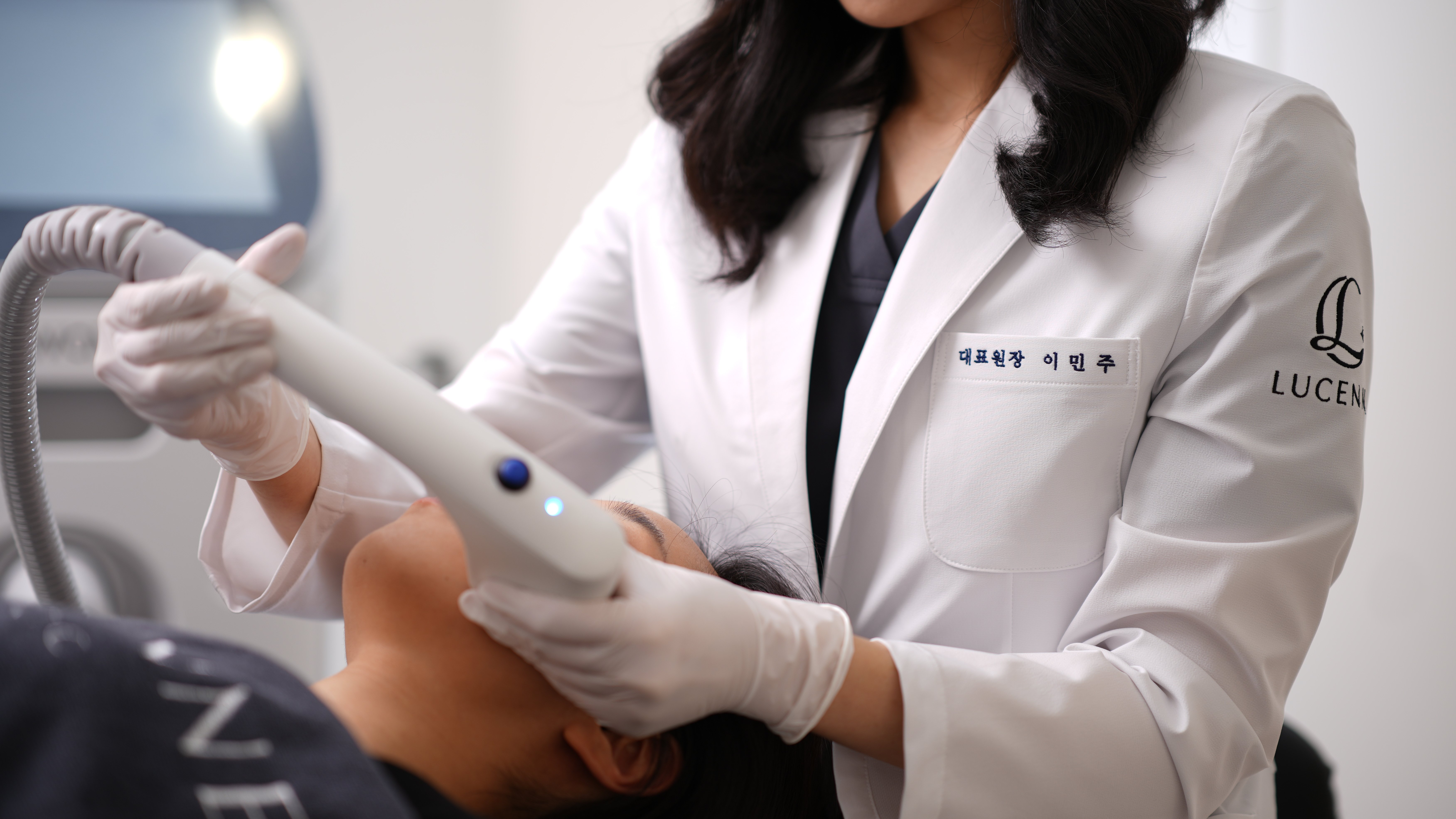
Gangnam Low Pain Skin Treatment: A Personalized Approach
Searching for Gangnam Low Pain Skin Treatment often means looking for care that balances a specific skin goal with comfort during treatment. There is no single procedure that suits everyone, and the sensation can differ by device, treatment area, and individual skin condition. At Lucenne Clinic, a one-on-one consultation informs a customized plan rather than a standard combination for every patient. Discuss your priorities and concerns before choosing a procedure; the doctor can explain the approach and expected sensations for the options considered.
Start With a One-on-One Consultation
A consultation helps connect a treatment goal with the relevant features of the skin. The discussion may consider elasticity, volume, contour, texture, pores, or visible fine lines, depending on the concern. At Lucenne Clinic, Minju Lee, MD, founder and medical director, provides one-on-one consultation and customized treatment. This gives patients an opportunity to describe comfort preferences and ask how the proposed technology works. A treatment plan should reflect the individual assessment, not just the name of a device.
Consultation is also the time to clarify what “low pain” means for a particular treatment. Different technologies deliver energy in different ways and at different skin depths, so sensations are not interchangeable. For example, focused ultrasound, radiofrequency, and microneedling radiofrequency have distinct treatment mechanisms. The doctor can discuss the intended area, the planned approach, and relevant comfort considerations before proceeding. Be candid about sensitivity and previous treatment experiences so these can be considered in planning. Comfort is an important part of the discussion, but it should not be treated as a guarantee of no sensation.
Low-pain care begins with matching the treatment approach to the person, not assuming that one device feels the same for everyone. A clear consultation helps set expectations about the goal, the method, and comfort considerations.
Use Skin Assessment to Guide Choices
Skin assessment can help organize concerns before selecting a treatment. Lucenne Clinic offers EVE MUSE, a 3D AI skin analysis system that assesses overall skin condition and predicts future aging. It can contribute information to a tailored cosmetic plan, while the consultation provides the context for discussing priorities and options. Assessment technology supports planning; it does not replace a conversation with the doctor about what the patient wants to address.
Patients may be considering lifting, tightening, hydration, texture improvement, or care for pores and scars. Those goals do not necessarily call for the same technology. Ultherapy Prime uses visualized ultrasound and targets the SMAS layer, while Sofwave focuses ultrasound energy on the mid-dermis to support collagen and elastin. XERF combines radiofrequency frequencies to target three skin depths. These are different approaches, so the doctor can explain which one may be relevant to the concern under discussion. Ask how the proposed treatment relates to your goal, rather than choosing by device name alone. Any plan should also account for individual skin condition and comfort preferences.
Understand What “Low Pain” Can and Cannot Mean
The phrase “low pain” describes a treatment preference, not a standardized procedure or a guaranteed experience. Sensation can vary from person to person and across treatment areas. The technologies offered at Lucenne Clinic include focused ultrasound, radiofrequency, microwave energy, microneedling radiofrequency, and injectable skin booster care. Each has its own method and purpose, so asking about the specific option is more useful than relying on a broad label.
Some available treatments are described in terms of comfort-focused features. Onda uses microwave energy directed at dermal collagen and unwanted fat and is presented as an approach for lifting and tightening with minimal discomfort. Cryocell uses cooling technology and microcurrents to soothe thermal heat and help address redness and swelling. These descriptions do not mean that every patient will experience treatment in the same way. Before starting, discuss the area to be treated, the intended effect, and any concerns about sensation. Do not assume that “low pain” means pain-free. Clear expectations help patients make an informed choice and understand why a different approach may be considered for a different skin concern.
Lucenne Clinic provides certified devices and facilities for customized energy and injectable treatments. The treatment decision should follow an assessment and a discussion of the procedure itself, including the device’s purpose and comfort considerations. If your main concern is treatment sensation, raise it early in the consultation. The doctor can explain the available options in relation to your goals and help you understand what to expect without implying that outcomes or sensations are identical for everyone.
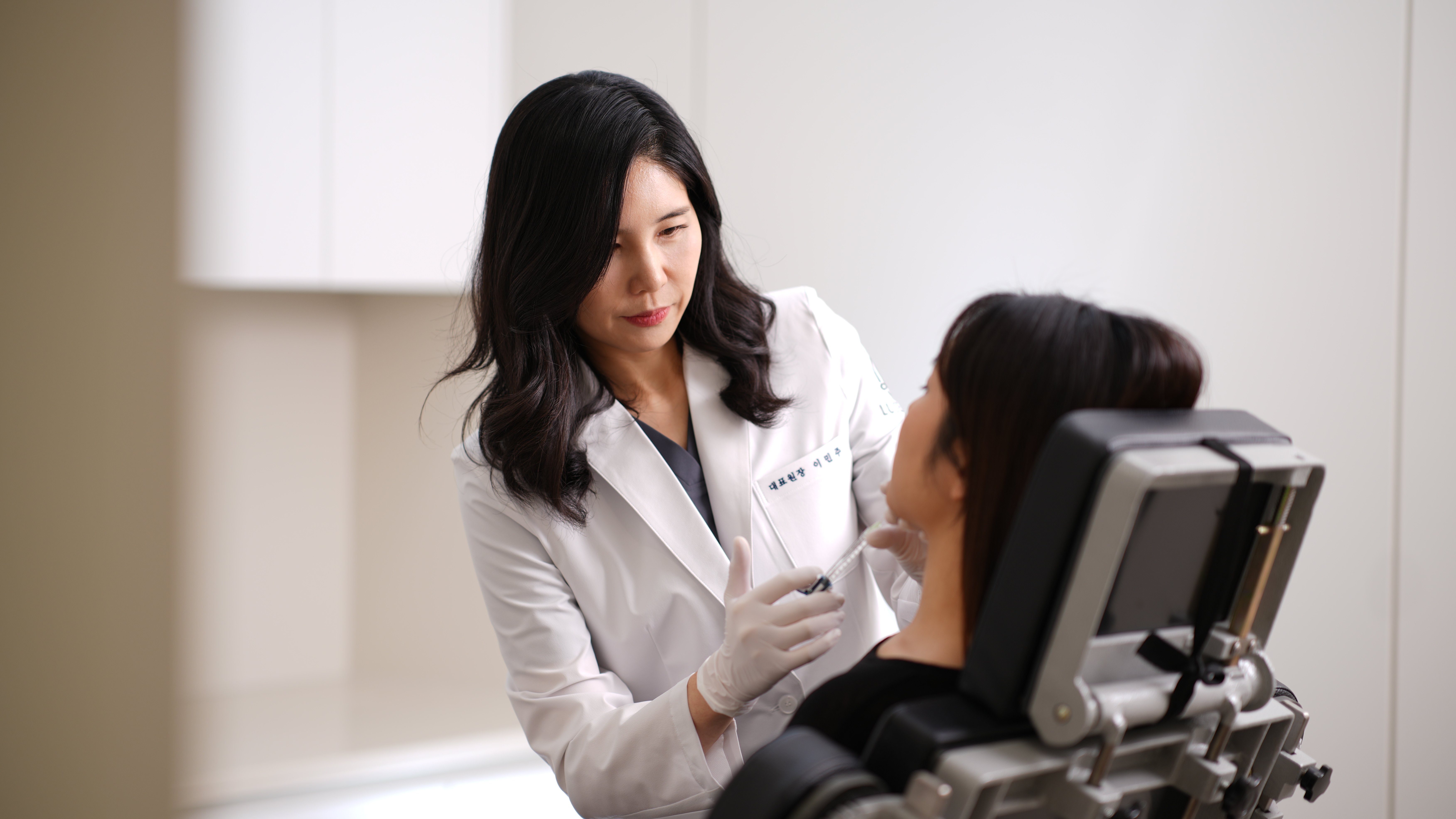
Gangnam Low Pain Skin Treatment Options and Technologies
Lucenne Clinic offers technologies for lifting, tightening, skin texture, hydration, and other cosmetic concerns. They work through different mechanisms, including ultrasound, radiofrequency, microwave energy, microneedling radiofrequency, and skin booster injection. Choosing among them should start with the concern being addressed and an explanation of how each option works. A consultation can also cover comfort, treatment planning, and whether combining approaches is appropriate for the individual skin condition.
Ultrasound, Radiofrequency, and Microwave Approaches
Ultherapy Prime uses visualized ultrasound to target the SMAS layer for lifting. Sofwave directs focused ultrasound energy to the mid-dermis, with the stated aims of supporting collagen and elastin, reducing fine lines, and improving skin texture. XERF combines 6.78 MHz and 2 MHz radiofrequency and is designed to target three skin depths for tightening and delicate wrinkle care. These options differ in target depth and intended use.
Other technologies use different energy forms. Thermage FLX delivers radiofrequency energy into the dermis to support collagen renewal, skin tightening, and fine-line reduction. Onda uses microwave energy targeting dermal collagen and unwanted fat, with lifting and tightening as its stated aims. These descriptions can help frame a consultation, but they are not a substitute for individual assessment. Ask the doctor which treatment goal is relevant to your concern, what area would be treated, and how the method may feel. The available device names do not by themselves determine which treatment is suitable. A customized plan may take skin elasticity, volume, and contour into account.
Energy-based devices vary in the type of energy they use and the skin depth they target. The relevant choice depends on the concern and the assessment, so discuss the intended mechanism and comfort expectations for the specific option.
Microneedling Radiofrequency and Skin Booster Care
Potenza is an advanced microneedling radiofrequency treatment offered for concerns such as pores, scars, and redness. Its approach stimulates collagen production while aiming to protect the skin surface. Double Tite combines radiofrequency energy with skin booster injection to support inner hydration and dermal regeneration. These procedures have different methods and goals, so the consultation should clarify which concern is being addressed and whether either approach fits the treatment plan.
For patients comparing options, it is useful to separate the treatment goal from the device’s name. A concern about pores or scars may prompt discussion of Potenza, while hydration and dermal support may lead to a conversation about Double Tite. This does not mean that either treatment is appropriate for every person with those concerns. The doctor can review skin condition and explain the planned technique, including how the procedure is carried out and what comfort considerations to expect. Share any sensitivity concerns before treatment rather than waiting until the procedure is underway. Customized care means discussing the purpose and method of a treatment in relation to the individual, rather than selecting a procedure from a list alone.
Supportive Care and Precision Tools
Some technologies at Lucenne Clinic support assessment, precision, or skin comfort as part of care. Handheld ultrasound provides real-time imaging of underlying anatomy to support precision and help prevent vascular damage. LDM uses dual ultrasound for hydration and skin barrier support. Cryocell offers cooling care, while Sonicool combines functions such as pore cleansing and microcurrent delivery of active ingredients. Biolight 3 uses four LED wavelengths for acne care, soothing, and skin recovery.
These tools have distinct roles and should not be confused with one another or with the main treatment itself. EVE MUSE supports 3D AI skin analysis, while handheld ultrasound provides real-time imaging during treatment planning or delivery. Autoclave equipment uses high-pressure steam sterilization to support hygiene and cross-infection prevention. During consultation, ask which technologies are relevant to your plan and why. Understanding the role of each device helps make the treatment discussion more specific and useful. A technology may support assessment or comfort without being the procedure that directly addresses the main cosmetic concern.
Lucenne Clinic describes its approach as personal customization in a private, premium space, with certified devices for energy and injectable treatments. The clinic also offers customized lifting combinations based on skin elasticity, volume, and contour after a thorough consultation. This means the discussion should identify both the target concern and the treatment method. If a combination is proposed, ask what role each component serves. The aim is to understand the plan and its rationale, not to assume that more procedures are automatically appropriate.
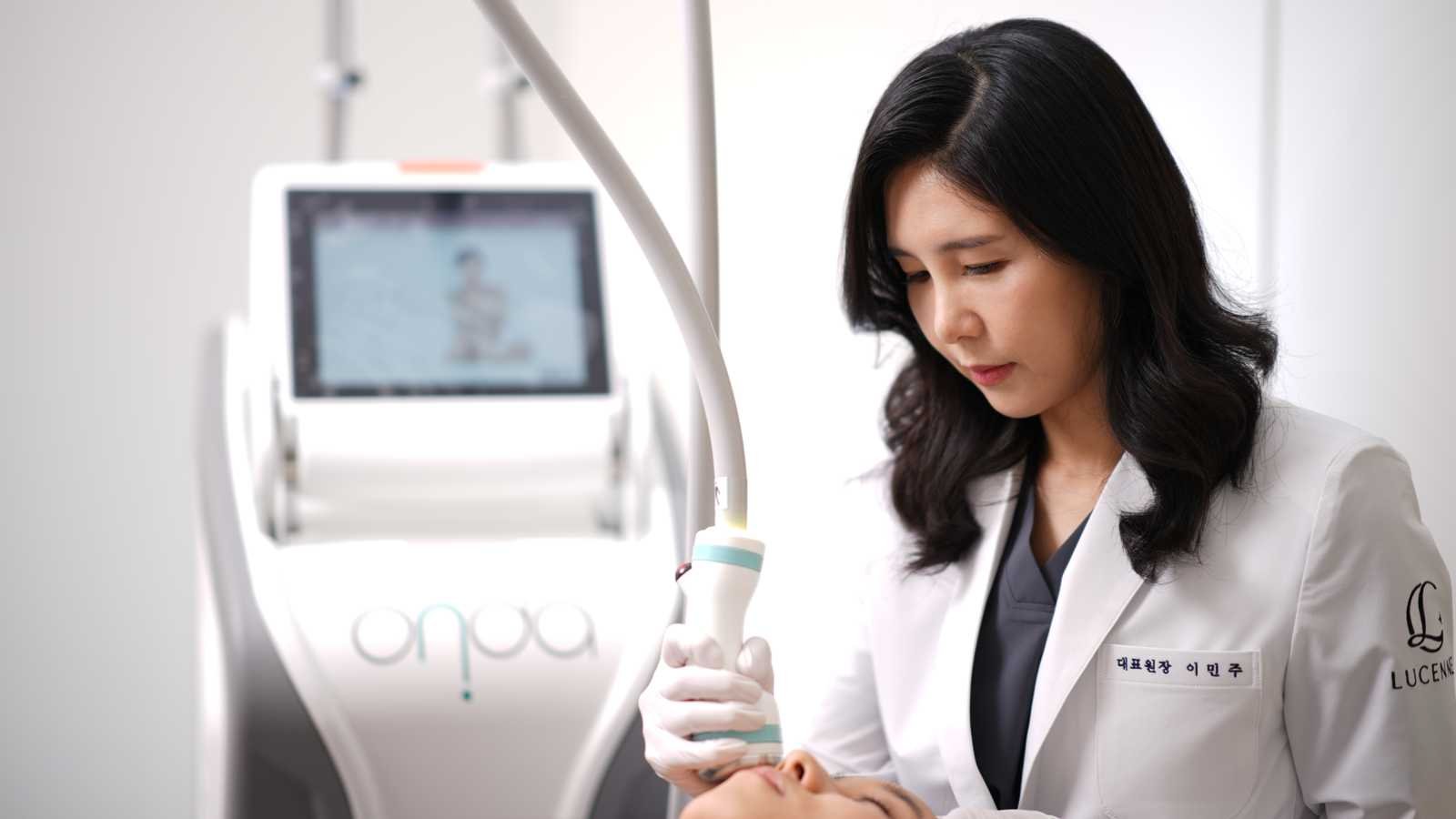
Preparing for Gangnam Low Pain Skin Treatment
Preparation starts with knowing what you want to discuss: your skin concern, preferred approach, and comfort priorities. Lucenne Clinic’s one-on-one consultation is intended to support customized treatment planning. You can ask about the device, the targeted skin area or depth, and how the treatment sensation may vary. Before proceeding, make sure you understand the goal of the proposed procedure and what the doctor recommends for your individual condition.
Questions to Discuss Before Treatment
Useful questions include what concern the treatment is intended to address, how the selected technology works, and why it is being considered for your skin. If you are comparing ultrasound, radiofrequency, microwave, or microneedling radiofrequency, ask how their purposes differ. You can also explain any sensitivity concerns or previous experiences that may affect your comfort preferences. These details help keep the conversation focused on your needs.
It is reasonable to ask whether the plan involves one treatment or a customized combination, and what each part is intended to do. For lifting, Lucenne Clinic considers factors such as elasticity, volume, and contour following a thorough consultation. The doctor can discuss how the proposed approach relates to those factors and explain relevant comfort considerations. Avoid treating a device description as a promise about the individual result or sensation. Clear questions support informed decisions: confirm the purpose, method, target area, and any instructions that apply to your treatment. If something is unclear, ask for an explanation before agreeing to proceed.
A productive consultation turns a broad goal into a clear discussion of treatment method, purpose, and comfort. Ask about the specific procedure being considered, and make sure the plan reflects your concerns and skin condition.
Set Expectations About Sensation and Results
Each procedure has a different method, and individual experiences can vary. The phrase “low pain” should not be read as a promise that treatment will involve no sensation. Ask what you may feel during the specific procedure under consideration and how the clinic approaches comfort. Also discuss the intended treatment goal so that expectations are based on the procedure’s purpose rather than a general label.
Changes may take time depending on individual condition, and the timing can vary by treatment and person. The available technologies address different concerns, from lifting and tightening to hydration, pores, scars, and texture. The doctor can explain the intended approach and how it fits the concern being discussed, but an individual outcome should not be assumed in advance. Patients should also ask about any aftercare instructions relevant to their chosen procedure. A realistic discussion covers both the aim of treatment and the fact that response is individual. Understanding these points can help you decide whether the proposed plan aligns with your preferences and expectations.
Plan Your Visit to Lucenne Clinic
Lucenne Clinic is a dermatology clinic offering customized energy and injectable treatments. Minju Lee, MD, is the founder and medical director and provides one-on-one consultation and customized treatment. The clinic is located at 5F, Dongyang Building, 105 Bongeunsa-ro, Gangnam-gu, Seoul, Republic of Korea. Calling ahead can help with consultation and reservation arrangements.
Clinic hours are Monday, Tuesday, Thursday, and Friday from 10:00 to 20:00; Wednesday from 14:00 to 20:00; and Saturday from 10:00 to 15:00. The lunch break is from 13:00 to 14:00. For an appointment or consultation, call +82-2-6952-3663. When arranging a visit, consider which skin concerns and comfort preferences you want to discuss. Bringing clear questions can make the consultation more focused and help you understand the treatment options before making a decision.
A low-pain preference is one part of treatment planning, alongside the skin concern, the technology being considered, and the individual assessment. At Lucenne Clinic, a one-on-one consultation provides an opportunity to discuss these factors and review customized options. Ask the doctor to explain the proposed method, the intended goal, and what sensations may be involved. This supports a more informed decision about whether a particular approach fits your priorities.




Frequently Asked Questions
Q.What kind of dermatology care does Lucenne Clinic offer?
A.Lucenne Clinic offers customized energy-based and injectable skin treatments. Its technologies include ultrasound, radiofrequency, microwave, microneedling radiofrequency, skin booster care, and skin analysis.
Q.Who may consider a consultation at Lucenne Clinic?
A.People seeking advice about concerns such as skin elasticity, volume, contour, texture, fine lines, pores, scars, or hydration may discuss their goals in a one-on-one consultation. The doctor can assess the concern and explain relevant options.
Q.How are treatment options selected at Lucenne Clinic?
A.Treatment planning follows a one-on-one consultation and may consider skin elasticity, volume, and contour. Available options include ultrasound, radiofrequency, microwave, microneedling radiofrequency, and skin booster treatments.
Q.What should I prepare before a visit?
A.Think about the skin concern you want to discuss and any preferences or concerns about treatment sensation. You can ask the doctor about the procedure’s purpose, method, and relevant aftercare instructions.
Q.Where is Lucenne Clinic, and how can I book?
A.Lucenne Clinic is at 5F, Dongyang Building, 105 Bongeunsa-ro, Gangnam-gu, Seoul, Republic of Korea. Call +82-2-6952-3663 for consultation and reservations.
Clinic Information
| Clinic | Lucenne clinic |
|---|---|
| Specialty | Dermatology |
| Address | 5F, Dongyang Building, 105 Bongeunsa-ro, Gangnam-gu, Seoul, Republic of Korea |
| Phone | +82-2-6952-3663 |
| Website | https://en.lucenne.co.kr/ |
 Lucenne clinic